
When specifying outdoor surfacing for commercial environments, long-term maintenance is often just as important as upfront cost. Car parks, access roads, walkways and external yards all experience constant wear from vehicles, foot traffic and weather. Choosing a low-maintenance surface can significantly reduce ongoing costs, disruption and operational downtime. But which commercial surfacing options perform best over time?
Tarmac: A practical, low-maintenance standard
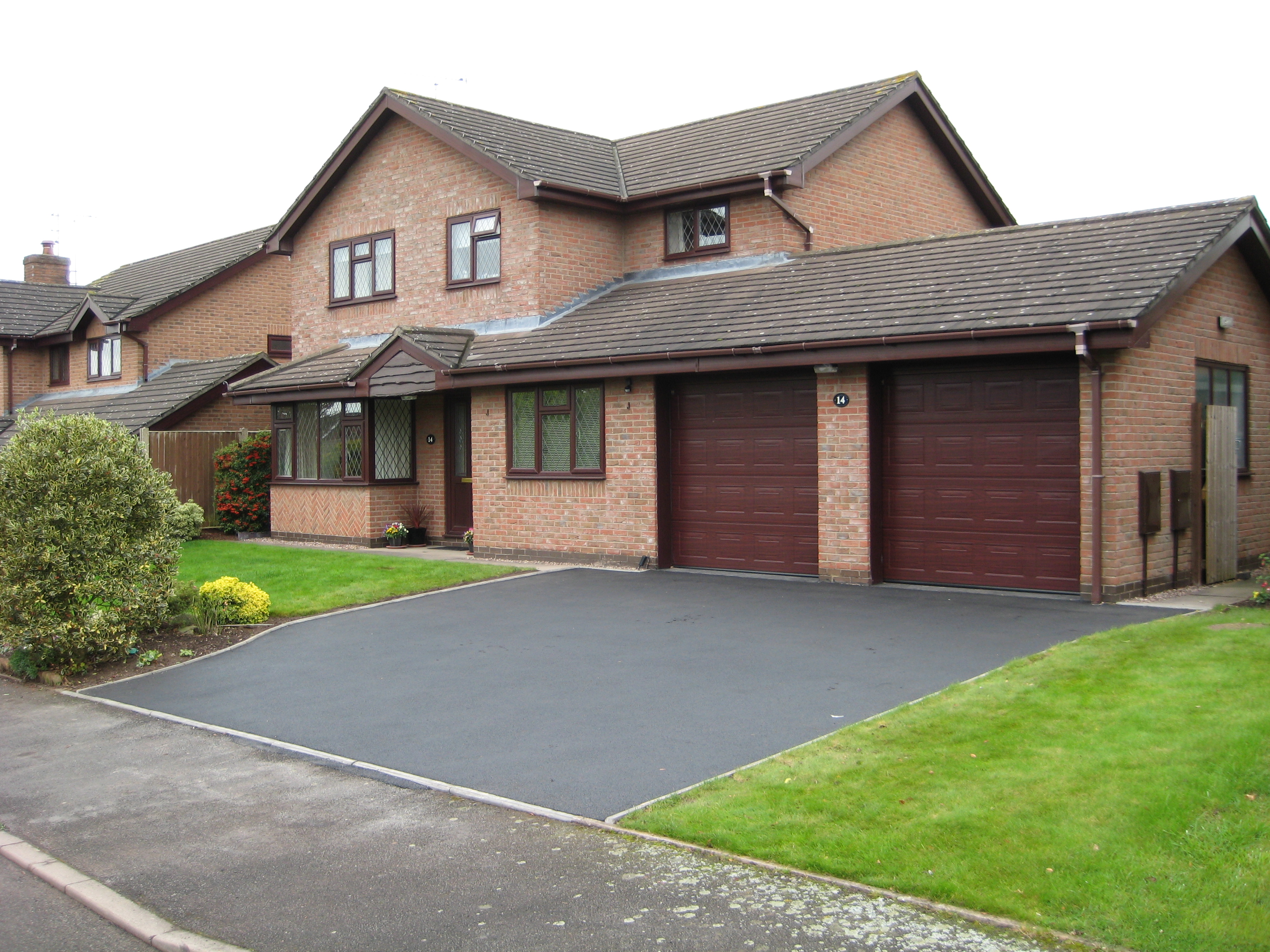
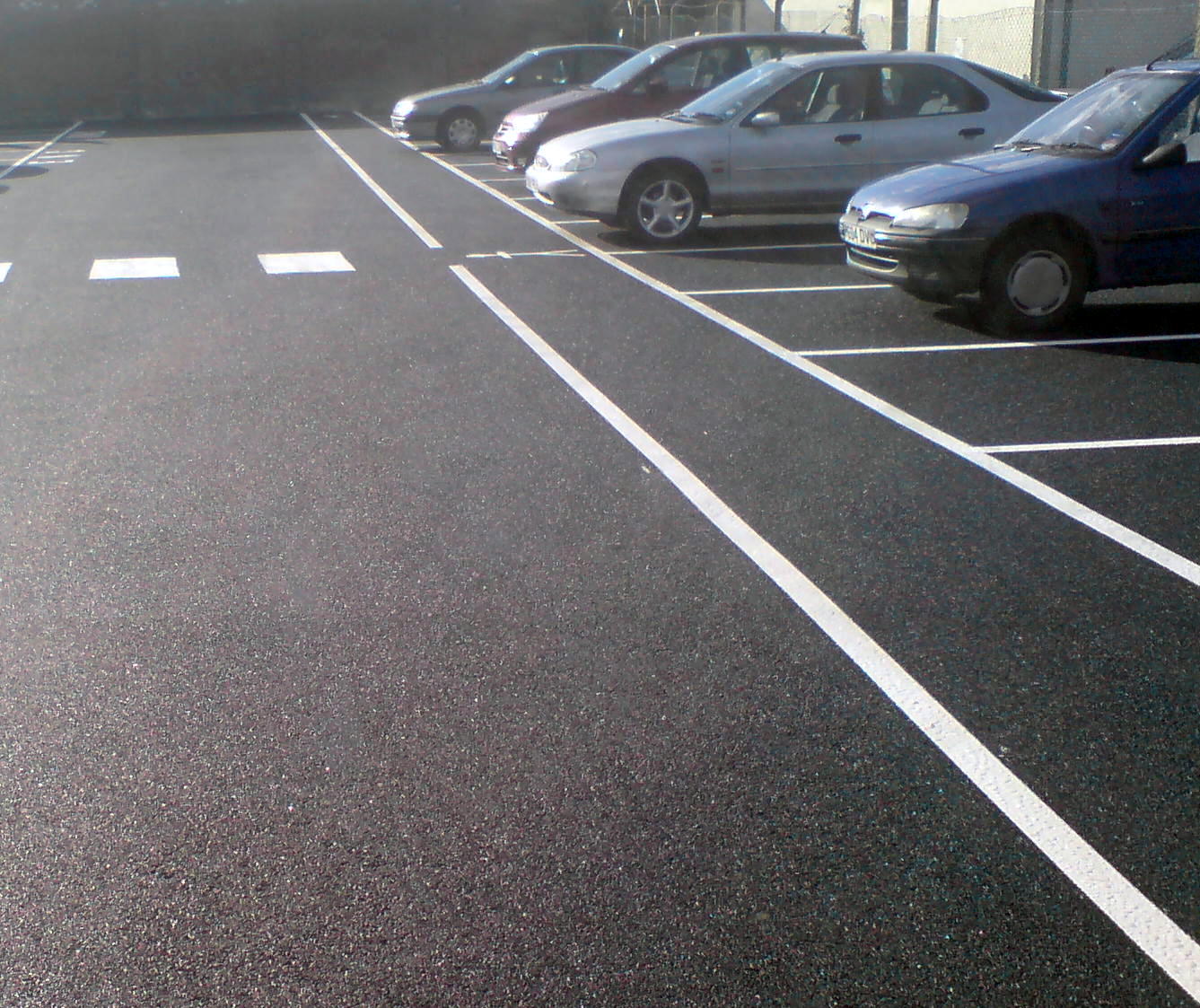
Tarmac remains one of the most widely used commercial surfacing options, and for good reason. When correctly installed, tarmac requires minimal day-to-day maintenance. Its flexibility allows it to cope well with temperature changes, reducing the risk of cracking compared to rigid materials. Routine sweeping, occasional jet washing, and periodic resealing are usually sufficient to keep tarmac in good condition. This makes it a popular choice for car parks, service roads, and high-traffic areas where reliability matters more than aesthetics.
Concrete: durable but not maintenance-free
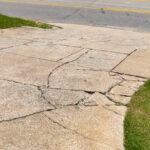
Concrete surfacing is extremely durable and can have a long lifespan, particularly in heavy-duty commercial settings. However, while it requires less frequent repair than some alternatives, maintenance should not be overlooked. Joints need monitoring, and surface cracking- while often cosmetic- can develop over time. Cleaning and occasional resealing may also be required, especially in exposed environments. Concrete performs best where heavy loads are expected, but it may not always be the lowest-maintenance option.
Block paving: High visual impact, higher maintenance
Block paving is often chosen for its visual appeal and flexibility in design. However, from a maintenance perspective, it typically requires more attention than other commercial surfacing solutions. Weeds can grow between joints, blocks may shift under heavy traffic, and regular cleaning is needed to maintain appearance. While individual blocks can be replaced easily, ongoing maintenance requirements make block paving less suitable for sites prioritising minimal upkeep.
Resin bound surfacing: Low maintenance with caveats
Resin-bound surfacing offers a smooth, attractive finish and generally requires less maintenance than block paving. It resists weed growth and is easy to clean. However, it can be sensitive to poor installation and heavy commercial traffic, which may lead to surface wear over time. For light to medium-use commercial spaces, resin bound systems can be a relatively low-maintenance option when properly specified.
So, which surface requires the least maintenance?
In most commercial outdoor environments, tarmac consistently delivers the lowest maintenance burden when balanced against cost, durability, and ease of repair. For heavier-duty applications, concrete can also perform well with proper installation and periodic inspections.
Ultimately, the lowest-maintenance solution depends on usage, traffic levels and exposure. Choosing the right surface from the outset, and working with an experienced commercial surfacing contractor, is key to reducing long-term maintenance demands and costs.
Commercial surfacing specialist in Shropshire, Cheshire, and Staffordshire
At Premier Surfacing, we specialise in commercial surfacing in Market Drayton, Shropshire, Telford and Wrekin and surrounding areas.
We provide a variety of surfaces for commercial projects, from small to large areas. Whether you are looking for something new and contemporary or just to resurface a dull or damaged surface, we can help.
We are a Local Authority Approved specialist surfacing contractors and have spent over 30 years in the industry. We carry out commercial surfacing work both locally and nationwide. Whatever the scale of your project, we can help. Please get in touch to discuss your requirements.